

バックパックを購入するとき、多くの人は目立ついくつかの要素に注目します:
容量は十分か?
見た目は良いか?
ノートパソコンを収納できるか?
価格は妥当か?
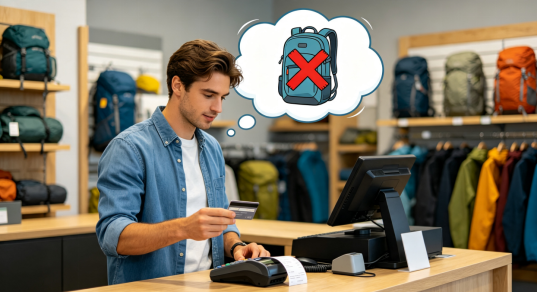
しかし、非常に少数の人しか、重要な質問を立ち止まって考えません:
間違ったバックパックを選ぶ本当のコストとは?
実際、バックパックは持ち物を運ぶための容器以上のものです。
通勤、出張、会議、旅行、日常生活の中で、バックパックはあなたと共にあります。時間が経つにつれて、生産性、身体的な快適さ、精神的エネルギー、さらには仕事上のイメージにまで影響を与える可能性があります。
多くの人は、単に間違ったバッグを買ったと思っています。
実際には、多くの人が毎日、長期的な隠れたコストを支払っています。
そして、そのコストはバックパック自体の価格をはるかに上回る可能性があります。
隠れたコストその1:時間の損失
物を探すのにどれだけ時間を無駄にしていますか?

この状況を想像してみてください:
月曜日の朝だ。
地下鉄に乗るために急いでいる。
入館カードをすぐに取り出す必要がある。
その代わりに、あなたは次のような状況に陥ります:
交通系カードを探す
充電ケーブルに絡まったイヤホンをほどく
モバイルバッテリーを見つけるために書類をかき分ける
バッグの底から鍵を探り出す
1回につきわずか30秒しかかからない場合でも。
しかし、これが1日に何度も起こると:
イヤホンを2回探す
鍵を2回探す
充電器を1回見つける
入館カードを1回取り出す
簡単に失う可能性がある時間:
毎日3~5分。
1年間では、次の時間になります:
20時間以上。
に相当します:
10冊の本を読む
副業のプロジェクトを完了する
海外旅行に行く
問題は、時間そのものの長さではありません。
集中力を繰り返し途切れさせるのは、絶え間ない中断です。
隠れたコストその2:認知負荷
探す行為は毎回、小さな意思決定
認知負荷理論によると、私たちの精神的リソースには限りがあります。
バックパックの中から何かを探すたびに、あなたは一連の小さな判断をしています:

鍵はどこ?
マウスをどこに置いた?
充電器を忘れていないだろうか?
こうした判断は取るに足らないように思えるかもしれません。
しかし、時間が経つにつれて、貴重な精神的エネルギーを消耗します。
整理されていないバックパックでよくある問題
すべてが一緒に積み重なっている
物の場所を記憶に頼って探す
物を取り出す手順が毎回変わる
その結果:
集中力の低下
タスクの切り替えが遅くなる
意思決定疲れ
多くの人は、仕事のせいで疲れ切っていると思っています。
実際には、その疲労の一部は、整理されていない日々の仕組みを管理することから生じています。
隠れたコストその3:デバイスの損傷
あなたの機器はバックパックより価値がある

現代のプロフェッショナルにとって、バックパックの中身はバックパック自体よりはるかに高価なことがよくあります。
次のような適切な保護がない場合:
専用のノートパソコン収納部
EVA衝撃吸収パッド
耐衝撃構造
バックパックを地面に置くたびに、デバイスは少しずつ衝撃を受けます。
次のようなケースが多く見られます:
ノートパソコンの角の損傷
画面の圧迫痕
SSDの故障
1度の大きな事故が原因ではありません。
数か月から数年にわたる小さな衝撃の繰り返しによって生じます。
隠れたコスト#4:身体的疲労
問題は仕事ではなく、バックパックかもしれません
多くの人は、肩や首の痛みは仕事が原因だと考えています。
しかし実際には、バックパックが大きな要因になっていることがあります。

設計の悪いバックパックの兆候
幅の狭いショルダーストラップ
重量配分の悪さ
人間工学的なサポート不足
通気性の低さ
次のような問題につながる可能性があります:
首や肩への負担が増す
腰への負担が大きくなる
長時間の通勤で疲労が増す
特に次の人々に当てはまります:
ソフトウェア開発者
プロダクトマネージャー
ビジネスパーソン
写真家
頻繁に持ち運ぶ人:
ノートパソコン
タブレット
充電器
書類
毎日5kg(11ポンド)を超える荷物を運ぶことは、ますます一般的になっています。
適切な携行システムがなければ、毎日、身体に負担がかかります。
隠れたコスト#5:プロフェッショナルなイメージ

多くの人が考慮しないコスト
2つのシナリオを想像してください。
シナリオA
重要なクライアントとの会議の前に:
バックパックを開けて、探し始めます。
書類にしわが寄っています
充電ケーブルが絡まっています
ペンがどこにも見当たりません
クライアントが待つ中、その作業に2分かかります。
シナリオB
会議室に入ります。
バックパックのジッパーを開けます。
すべてがきちんと整理されています。
ノートパソコン、書類、ノート、アクセサリーにすぐアクセスできます。
10秒で準備が整います。
印象はまったく異なります。
バックパックは単なる収納ツールではありません。
それは、あなたが仕事を整理し、時間を管理する方法を反映します。
人々が評価しているのは、バッグだけではありません。
彼らは、あなたの仕事の進め方を評価していることがよくあります。
システム型バックパックに乗り換える人が増えている理由
現代の生活はますます複雑になっています。
典型的な1日は、次のような移動を伴うことがあります:
自宅 → 地下鉄 → オフィス → 会議室 → コーヒーショップ → 空港
以前、バックパックが解決していた問題は1つでした:
荷物を運ぶ方法。
今日、バックパックは別の問題を解決しています:
効率を高める方法。
明日には、次の問題を解決するかもしれません:
認知的負担を軽減する方法。
だからこそ、構造化されたシステム型バックパックの人気が高まっています。
おすすめ商品第1位:Nayo Smart Herman Pro

おすすめの方
プログラマー
プロダクトマネージャー
ビジネスパーソン
通勤が多い方
主な特徴
L字型ワイドオープニングデザイン
M-従来のバックパックは、まるでブラックホールのように感じられることがよくあります。
Herman Proはワークステーションのように開きます。
すべてが一目で見渡せます。
12以上の機能的なコンパートメント
専用スペース:
ノートパソコン
タブレット
マウス
充電器
書類
水筒
専用ノートパソコン収納
次のリスクを軽減します:
底面への衝撃
圧迫による損傷
日常的な摩耗
メリット
✅ 優れた整理収納力
✅ すぐに取り出せる収納システム
✅ プロフェッショナルなビジネススタイル
✅ 複数のデバイスを持ち歩く方に最適
✅ 通勤や出張に適している
デメリット
❌ より複雑な構造
❌ ミニマリストには過剰設計に感じられる場合がある
❌ すべて収納するとやや重くなる
おすすめ商品 #2:Nayo Smart Herman H8

おすすめの方
営業マネージャー
コンサルタント
ビジネス出張者
主な特徴
3-in-1変換デザイン
対応:
ブリーフケースモード
ショルダーバッグモード
バックパックモード
メリット
✅ プロフェッショナルなビジネススタイル
✅ 複数のシーンに対応
✅ 出張に最適
✅ 複数のバッグを使う必要を減らす
デメリット
❌ 従来のブリーフケースより高価
❌ より複雑な構造
間違ったバックパックを使っているサイン
次のようなことを頻繁に経験する場合:
必要なものをすぐに見つけられないことが多い
通勤後に肩が痛く感じる
バッグの中が常に整理されていない
ノートパソコンの保護を心配する
出張中に収納スペースが足りなくなる
会議の前に探し物をするのに時間を費やす
整理整頓を保つためだけに、複数のオーガナイザーポーチを持ち歩く
その場合、次の可能性が高いでしょう:
あなたのバックパックシステムは、もはやライフスタイルの複雑さに合っていません。
結論:最も高価なバックパックとは、間違ったバックパックである
ほとんどの人は、次の基準でバックパックを比較します:
価格
素材
ブランドの評判
しかし、より重要な質問は次のとおりです:
どれだけ時間を節約できるか?
ストレスをどれだけ軽減できるか?
デバイスをどれだけしっかり保護できるか?
一日の効率をどれだけ高められるか?
現代のビジネスパーソンにとって、バックパックはもはや単なる消費財ではありません。
生産性を高めるツールです。
間違ったバックパックを選ぶ本当のコストは、少し余分にお金を使うことではありません。
失われるのは、積み重なった次のようなものです:
時間
効率
身体的な快適さ
精神的なエネルギー
機会
数か月、数年にわたると、こうした隠れたコストはバックパック本体よりはるかに高額になります。
最終結論
優れたバックパックは、単に持ち物を運ぶだけではありません。
次のことに役立ちます:
整理整頓を保つ
大切な機器を保護する
認知負荷を軽減する
生産性を向上させる
一日を、よりスムーズに過ごす
今日のような変化の速い世界では、適切なバックパックは単なるアクセサリーではありません。
あなたのパーソナル・オペレーティングシステムの一部です。
共有する:
選ぶリュックで性格がわかる:あなたはどんな「持ち運びタイプ」?
なぜ2026年はスロートラベルを選ぶ人が増えているのか?