

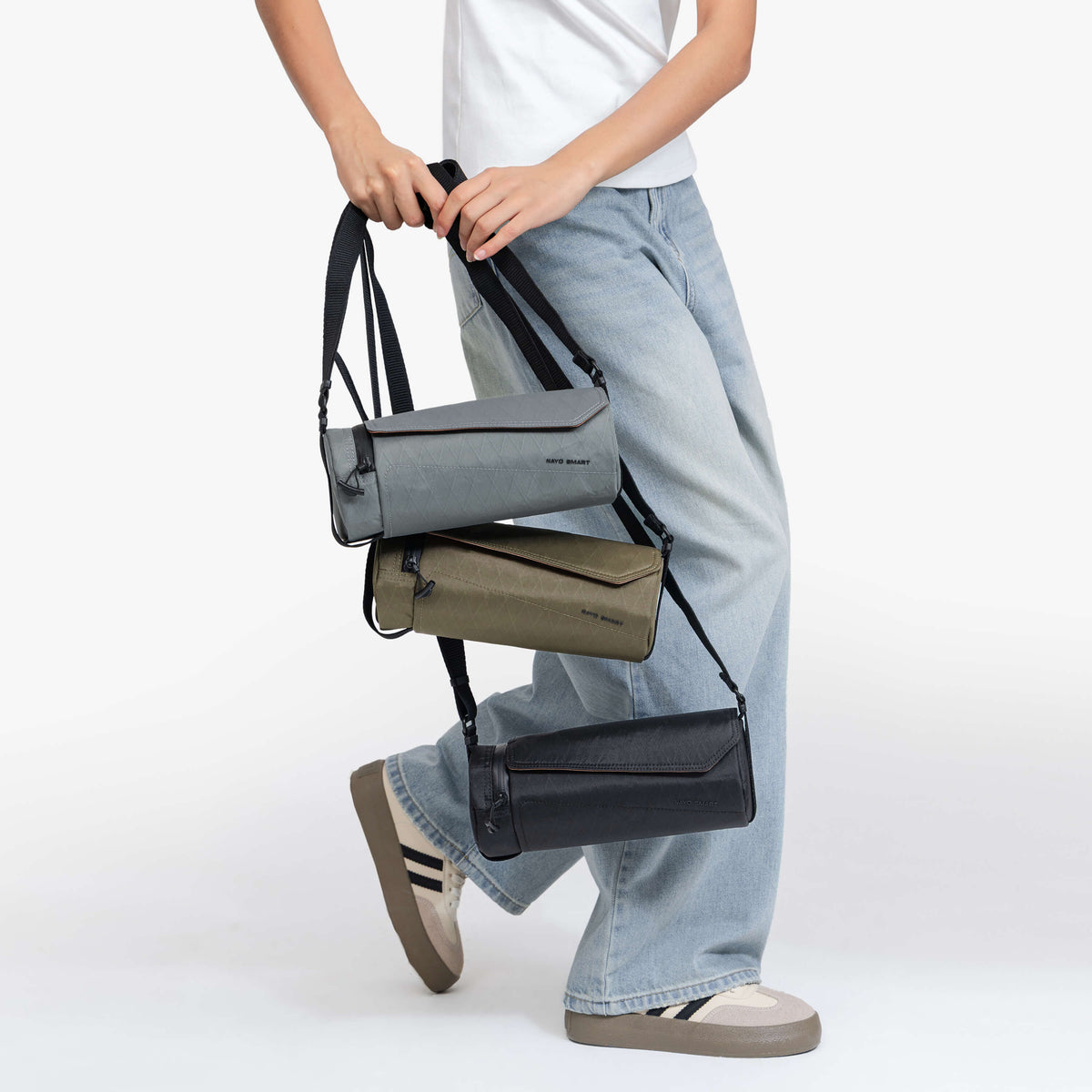
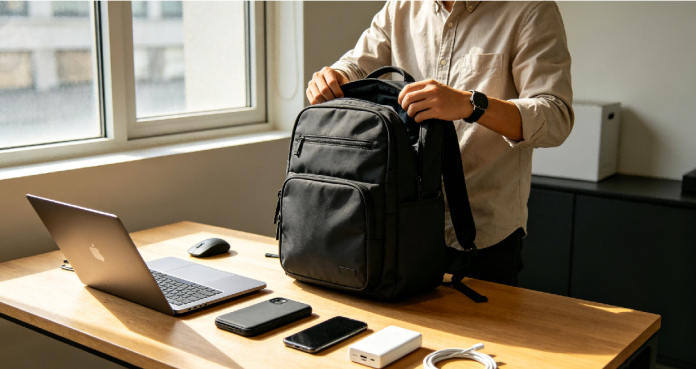
近年、「EDC」(Everyday Carry)という言葉が世界中で急速に広まっています。RedditのManyBaggersコミュニティや、YouTubeのバックパックレビュー・チャンネル、さらには「デジタルノマド」の間でも、EDCバックパックという概念を頻繁に目にするでしょう。
では、EDCバックパックとは具体的にどのようなものでしょうか?通常のバックパックとはどう違うのでしょうか?なぜ、より多くの専門職、クリエイター、ビジネス旅行者が使い始めているのでしょうか?通勤、オフィスでの仕事、カフェでの仕事、さらには短期旅行にも適したバックパックを探しているなら、このガイドが答えを見つけるのに役立ちます。
EDCバックパックとは?
EDC を意味します Everyday Carry.
もともとEDCという概念は、アウトドアやサバイバル文化から生まれ、日常のニーズに対応するために必要な道具を持ち歩く重要性を重視していました。モバイルオフィスやデジタルライフスタイルの発展に伴い、EDCは現代的な生活様式へと進化しました。
都市生活者の多くにとって、EDCギアには通常、次のものが含まれます。
ノートパソコン
スマートフォン
ヘッドホン
充電器
モバイルバッテリー
水筒
傘
鍵
財布
タブレット
カメラ
EDCバックパックは、使用頻度の高いアイテムのために特別に設計されたモバイル収納システムです。単に物を入れるバッグではなく、あなたの 個人用モバイル・コマンドセンター。
なぜEDCバックパックはこれほど人気になっているのでしょうか?
この10年間で、従来のバックパックは主に「物を運ぶ」ことに重点を置いていました。しかし現在、人々がバックパックに求めるものは変化しています。
ハイブリッドワークが新たな日常に: ハイブリッドワークやリモートワークを取り入れたり、デジタルノマドになったりする人が増えています。朝はオフィスで働き、午後はカフェで会議をし、夜には高速鉄道で別の都市へ移動することもあるでしょう。バックパックは、あなたのモバイルオフィスデスクになりました。
 デジタル機器の増加: 10年前なら、外出時に必要なのはスマートフォン、財布、鍵だけだったかもしれません。今では、MacBook、iPad、カメラ、ワイヤレスイヤホン、外付けハードドライブ、モバイルバッテリーが標準的な持ち物になっています。適切に整理されていなければ、1本のデータケーブルを探すだけで何分も無駄にすることがあります。
ミニマリズムの台頭: 「持ち物は減らしつつ、本当に必要なものを持ち歩きたい」と考える人が増えています。EDCバックパックの中核となる価値は、すべてのアイテムに決まった収納場所を与え、選択疲れを減らし、日々の効率を高めることです。
EDCバックパックは一般的なバックパックとどう違うのか?
どちらもバックパックに見えますが、設計思想はまったく異なります。

|
比較項目 |
一般的なバックパック |
EDCバックパック |
|
収納の整理 |
限定的 |
豊富で細やか |
|
テック機器の保護 |
基本的 |
専用ノートパソコンコンパートメント |
|
取り出しやすさ |
遅い |
優れている |
|
通勤への適合性 |
一般的 |
特化して最適化 |
|
快適性 |
製品によって異なる |
長時間の携行を重視 |
|
整理能力 |
低い |
高い |
簡単に言えば、一般的なバックパックが解決するのは「すべてを詰め込む」ことですが、EDCバックパックが解決するのは 「素早く見つけ、素早く取り出し、素早く使える」
EDCバックパックに必要な基本機能とは?
独立型ノートパソコンコンパートメント: 現代のビジネスパーソンにとって、これは最も重要な機能の一つです。優れたEDCバックパックは通常、14インチから16インチのMacBookに対応し、衝撃吸収構造を備えているため、空港の保安検査でも素早く取り出せます。
多層収納システム: 成熟したEDCバックパックには通常、テック収納、メイン収納、クイックアクセス ポケット、隠しポケット、水筒ホルダーが備わっており、すべての荷物に定位置を確保できます。
撥水素材: 現代の通勤では、突然の雨、コーヒーのこぼれ、混雑した地下鉄などに遭遇することが多いため、防水性は不可欠です。一般的な素材には、Cordura®、X-Pac®、TPU複合素材、高密度の撥水ナイロンなどがあります。
快適なサスペンションシステム: 6~8kgの荷物を入れても、高品質なバックパックにはS字型ショルダーストラップ、EVA背面パッド、通気性メッシュ、肩や首への負担を軽減する人間工学に基づいた設計が備わっているべきです。
最適な容量の選び方
これはGoogleで最も検索されている質問の一つです。
15L~20L: ミニマリストの通勤、学生、毎日のオフィスワークに適しています。ノートパソコン、タブレット、水筒、身の回り品をいくつか収納できます。
20L~26L(ゴールデン容量): ほとんどのビジネスパーソン、クリエイター、通勤者に適しています。毎日の通勤、ジムウェア、短期出張の荷物をバランスよく収納できます。現在、最も人気の高いEDC容量帯です。
26L~35L: 写真家、デジタルノマド、頻繁に旅行する方に最適。3~5日間の「ワンバッグ旅行」を実現できます。
2026年おすすめEDCバックパック
(製品はさまざまな予算や使用シーンに対応)
Nayo Smart Herman H1:

おすすめの人: デジタルノマド、ビジネスパーソン、ハイブリッドワーカー。
長所: L字型の大きな開口部、独立したノートパソコン用コンパートメント、多層式のテック収納、耐水性ファブリックを備え、通勤にも旅行にも適しています。
短所: 超軽量バックパックより自重がやや重い。
Aer City Pack Pro:

おすすめの人: ミニマリスト、都市部の通勤者。
長所: すっきりとしたデザイン、優れた整理性、丁寧な作り。
短所: 価格が高く、拡張性が限られている。
Peak Design Everyday Backpack:

おすすめの人: 写真家、コンテンツクリエイター。
長所: モジュール式収納、業務用レベルの保護、両側から素早くアクセス可能。
短所: 重量は2kg近くあり、長時間の通勤ではかさばることがあります。
EDCバックパックには何を入れるべき?
一般的な現代のEDCリスト:
仕事用品: ノートパソコン、マウス、充電器、外付けハードドライブ。
デジタル機器: ヘッドホン、データケーブル、モバイルバッテリー。
日用品: 水筒、傘、ティッシュ、鍵。
緊急用品: 絆創膏、常備薬、予備のマスク。
よくある質問
EDCバックパックとトラベルバックパックの違いは何ですか?
EDCバックパックは日常の通勤と素早い取り出しを重視し、トラベルバックパックは容量と長期旅行のニーズを重視します。
EDCバックパックは飛行機に持ち込めますか?
20~26LのEDCバックパックの多くは航空会社の機内持ち込み要件を満たしますが、各航空会社の規定を確認してください。
EDCバックパックは買う価値がありますか?
毎日ノートパソコン、ヘッドホン、充電機器、水筒を持ち歩くなら、優れたEDCバックパックは日々の効率と快適性を大幅に向上させます。
まとめ:自分だけのモバイル・コマンドセンターを見つける
本当に優れたEDCバックパックは、機能が最も多いものとは限りません。重要なアイテム一つひとつに定位置があり、玄関を出た瞬間に必要なものを見つけられるバックパックこそが優れています。
現代のビジネスパーソン、デジタルノマド、クリエイター、頻繁に旅行する人にとって、設計の行き届いたEDCバックパックは単なる収納ツールではなく、日々の効率を高める重要なパートナーです。
現在お使いのバックパックの容量はどのくらいですか?最も重視する機能は、整理のしやすさ、快適性、耐水性、それともデザイン性のどれでしょうか?コメント欄でEDCギアのリストをぜひ共有してください。あなたの組み合わせが、他の読者に新たなインスピレーションを与えるかもしれません!
共有する:
100ドル未満で最高のEDCスリングバッグ?Nayo Smart Urban UL2を詳しく紹介
バックパック素材ガイド2026:ナイロン vs ポリエステル vs コーデュラ — どれを選ぶべき?