

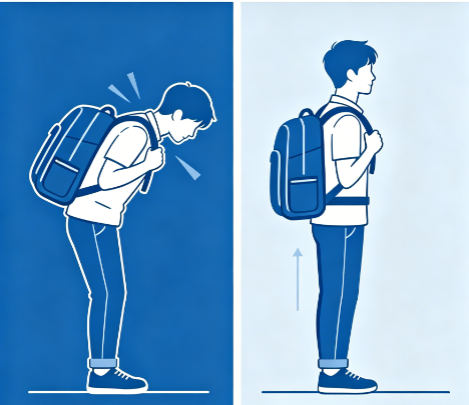
이런 경험이 있으신가요? 매일 퇴근 후 무거운 백팩을 벗는 순간, 안도의 한숨을 길게 내쉬고 어깨가 즉시 3cm나 가벼워진 듯한 느낌이 들죠.
16인치 MacBook Pro와 iPad, 충전 케이블 여러 개, 물병을 매일 들고 다니는 디지털 기기 과다 사용자인 저는 출퇴근길이 ‘척추 고문 시간’처럼 느껴집니다. 5kg이 넘는 장비를 붐비는 지하철과 버스에서 들고 다니다 보니 어느새 무의식적으로 몸을 앞으로 기울이고 목을 쭉 빼고 있었습니다. 자세가 나빠졌을 뿐만 아니라, 심한 어깨와 목 통증이 편두통까지 유발하기 시작했습니다.
지난 2년 동안 ‘무게 경감’과 ‘인체공학’을 내세운 출퇴근용 백팩이 시장에 많이 등장했습니다. 가격은 수백 위안에서 천 위안이 넘는 제품까지 다양합니다. 이 제품들은 사무직 근로자를 상대로 한 현대판 ‘건강세’일까요, 아니면 정말로 쑤시는 척추를 구해 줄 수 있을까요?
오늘은 온갖 마케팅 과장은 잠시 내려놓고 하중 지지 시스템의 핵심 구조를 파헤쳐, 인체공학적 백팩의 근본적인 원리를 철저히 살펴본 뒤 인기 있는 출퇴근용 백팩 세 가지를 객관적이고 심층적으로 리뷰해 보겠습니다.
I. ‘무게 경감’의 핵심 논리: 인체공학적 백팩은 정확히 무엇을 줄이는가?
먼저 한 가지에 동의하고 시작하겠습니다. 물리학에서 절대적인 무게는 마법처럼 없앨 수 없습니다.
노트북과 액세서리의 무게가 5kg이라면 언제나 5kg입니다. 인체공학적 하중 경감 백팩의 핵심 목적은 무게를 없애는 것이 아니라, 그 무게가 신체 전체에 분산되는 방식과 정밀한 설계를 통해 동적으로 관리되는 방식을 바꾸는 것입니다.
진정으로 검증된 하중 지지 시스템은 세 가지 핵심 지표에서 뛰어나야 합니다.
1. 무게중심 이동
기존 백팩은 형태를 잡아 주는 구조가 부족합니다. 짐을 넣으면 가방 전체가 뒤쪽과 아래쪽으로 처집니다. 뒤로 당기는 힘을 상쇄하고 균형을 유지하기 위해 몸은 앞으로 기울어지게 되고, 목과 허리에 부담이 발생합니다. 인체공학적 백팩은 일반적으로 몸에 밀착되는 형태로 성형된 노트북 수납공간을 갖추고 있어, 가장 무거운 물건이 신체의 무게중심 가까이에 머물도록 합니다. 이로써 가방이 뒤로 처지면서 경추에 가하는 ‘지렛대 힘’을 크게 줄여 줍니다.
2. 스트랩 설계 및 압력 분산
일반적인 스트랩은 폭이 좁고 얇은 경우가 많습니다. 어깨의 두 지점에 5kg의 무게가 집중되면 쇄골과 견갑거근(붉은 자국과 어깨 통증의 원인)이 강하게 압박됩니다. 품질 좋은 인체공학적 백팩은 고밀도 폼을 사용한 S자형의 넓고 두꺼운 스트랩을 적용합니다. 쇄골에서 가슴까지 이어지는 자연스러운 곡선을 완벽하게 따라가며, ‘점 압력’을 가슴 근육과 등 근육 전체로 넓게 분산시킵니다.

3. 등판 지지력 및 뼈와의 간격 확보
허리를 직접 누르는 단단하고 평평한 등판은 허리 통증의 주요 원인입니다. 좋은 등판은 효과적인 구역별 지지력과 공기 흐름 통로를 만들어야 합니다. 척추를 완전히 피하도록 중앙 홈을 내거나 척추 양옆의 근육(척추기립근)을 받치도록 폼 패드를 분할하는 등 방식은 달라도 목표는 같습니다. 가방 안의 단단한 물건이 뼈에 직접 부딪히는 것을 막는 동시에 공기가 흐를 공간을 확보해 여름철 등 땀을 줄이는 것입니다.
II. 직장인을 위한 인기 출퇴근용 백팩 3종 심층 비교
객관적인 비교를 위해 직장인과 디지털 기기 사용자 사이에서 많은 관심을 받은 백팩 세 가지를 선정했습니다. 제품마다 수납 용량과 용도가 다르므로 자신의 ‘일상 휴대 무게’에 맞춰 선택해야 합니다.
1.Incase Icon Backpack – 클래식 디지털 가방
Incase는 디지털 가방 분야에서 오랫동안 사랑받아 온 클래식 브랜드입니다. 핵심 포지셔닝은 ‘최고 수준의 보호력과 안정성’입니다.
실사용 부하 테스트:
The Icon은일체 성형 (one-piece molded) 방식의 단단한 등판을 적용했습니다. 세 제품 중 형태 유지력이 가장 뛰어나 무엇을 넣든 가방이 처지지 않습니다. 착용하면 등에 눈에 띄게 밀착되며, 뒤로 당기는 느낌이 전혀 없고 무게 중심도 매우 안정적입니다.
단점:
빈 가방 무게가 1.2kg에 달해 오늘날의 경량화 시대에는 묵직하고 부담스럽게 느껴집니다. 단단하고 부피감 있는 구조 때문에 진지하고 전통적인 ‘IT 비즈니스’ 느낌이 강합니다. 또한 여름에는 등에 열이 갇혀 답답함이 뚜렷합니다.

2. Aer Day Pack 2 – 미니멀리스트의 선택(가벼운 하중 / 높은 심미성)
샌프란시스코에서 시작한 Aer는 1680D 코듀라 발리스틱 나일론 원단으로 유명합니다. 이 가방은 가벼운 도심 출퇴근용으로 설계되었습니다.
실사용 부하 테스트:
빈 가방 무게는 약 1.0kg으로 비교적 가볍습니다. 등판에는 작은 구멍이 난 3D 메시를 사용해 세 제품 중 통기성과 땀 흡수·배출이 가장 뛰어납니다. 보강된 바닥 덕분에 가방이 스스로 똑바로 서 있어 물건을 꺼내기에도 매우 편리합니다.
단점:
가격이 비쌉니다(중국에서는 흔히 1,300위안이 넘음). 14.8L로 수납공간도 매우 제한적입니다. 발리스틱 나일론이 너무 뻣뻣해 가방에 여유가 전혀 없습니다. 노트북과 물병을 넣고 나면 얇은 재킷 하나를 끼워 넣기도 어렵습니다. 미니멀한 스트랩도 뻣뻣한 편이라 어깨가 좁다면 짐을 넣었을 때 목을 약간 파고들 수 있습니다.

3. Nayo Smart Herman Pro – 떠오르는 다크호스(중~고하중 / 뛰어난 가성비)
가격 대비 수납력을 따져본 끝에, 디지털 노마드 사이에서 입소문을 타고 있는 이 가방을 골랐습니다. Herman Pro는 하중을 지탱하는 소재에 있어 확실히 ‘하드코어 스펙’ 접근 방식을 따릅니다.
실사용 부하 테스트:
표기 용량은 20L/25L입니다. 혁신적인 격자형 4구역 분할 등받이 쿠션을 사용했습니다. 수직 및 수평 통풍 채널과 결합해 척추기립근과 코어 근육군을 주로 지지함으로써 무게를 분산합니다. EVA 고탄성 S자형 스트랩도 주목할 만합니다. 10mm 펄 폼에 3mm 보강 EVA를 라미네이팅해 총 두께가 13mm에 달합니다(일반적인 가방은 대부분 6~8mm). 실제 사용 시 이중 레이어 소재가 뛰어난 완충 기능을 제공합니다. 고밀도 EVA는 하중을 받아도 눌림에 강하고, S자형 곡선은 쇄골의 형태에 맞아 어깨의 국소적인 압력을 눈에 띄게 줄여 줍니다.
단점:
20L/25L 형태에 13mm 두께의 스트랩이 더해져 가방이 비교적 크고 전술적인 느낌을 줍니다. 키 165cm 미만의 체구가 작은 사람에게는 다소 부피가 크고 균형이 맞지 않아 보일 수 있습니다.

III. 핵심 사양 및 착용감 한눈에 비교하기
더 쉽게 결정할 수 있도록 주관적인 마케팅 용어는 잠시 제쳐 두고 핵심 사양과 실제 사용감을 수치로 비교해 보겠습니다.
|
브랜드 및 모델 |
용량 / 공백 무게 |
핵심 하중 분산 기능 |
주요 단점 |
추천 대상 |
|
Incase Icon |
17L / 1.2kg |
일체형 성형 경질 등판 |
무겁고 전통적인 비즈니스 스타일이며 여름철 통기성은 보통 수준 |
대형 노트북을 위한 극도의 낙하 보호 기능이 필요한 잦은 여행객 및 비즈니스 전문가 |
|
Aer Day Pack 2 |
14.8L / 1.0kg |
3D 메쉬 통기성 등판 + 자립형 구조 |
가격이 비싸고 신축성이 없는 원단이라 어깨가 좁으면 목을 파고들 수 있음 |
매일 가벼운 짐을 휴대하며 세련되고 미니멀한 외관을 원하는 자금력 있는 디지털 미학 추구자 |
|
20L~25L / 1.05kg |
격자형 4구역 분할 등받이 쿠션 + 13mm 이중 레이어 EVA 고탄성 S자형 스트랩 |
전체적인 형태가 크고, 체구가 작은 사람에게는 부피가 커 보임 |
매일 중간에서 무거운 수준의 디지털 장비를 휴대하며 어깨 압력 완화를 우선시하고 다음을 중요하게 생각하는 출퇴근족/디지털 노마드 |
IV. 결론: 인체공학적 백팩은 구매할 가치가 있을까요?
-다시 원래 질문으로 돌아가 보겠습니다. 인체공학적 백팩은 ‘생명줄’이 될 수 있을까요?
네. 하지만 기적의 치료제가 아니라 훌륭한 보조 수단으로서 그렇습니다.
백팩이 수년간 이어진 경추증을 완전히 치료해 주길 기대한다면 비현실적입니다. 하지만 매일 30분 넘게 3kg 이상의 장비를 들고 출퇴근한다면, 하중 분산 시스템이 뛰어난 백팩은 어깨와 목 근육의 피로가 시작되는 시점을 크게 늦출 수 있습니다. 또한 축 처진 백팩 때문에 몸을 앞으로 구부리는 습관을 물리적으로 바로잡는 데도 도움이 됩니다.
우리 몸이 끊임없이 ‘경고등’을 켜는 시대에, 어깨의 하중을 과학적으로 분산해 주는 좋은 파트너에 투자하는 것은 책상 앞에서 일하는 사람이 할 수 있는 가장 현명한 건강 투자 중 하나일 수 있습니다.
현재 어떤 백팩을 사용하고 계신가요? 매일 출퇴근한 후 어깨가 아픈가요? 댓글로 여러분의 실제 경험을 공유해 주세요. 아픈 허리와 목을 보호할 방법에 대해 함께 이야기해 봐요!
공유:
위탁 수하물 요금은 이제 그만! 2026년 항공사 무료 개인 소지품 규정을 충족하는 최고의 기내용 백팩
100달러 이하 최고의 EDC 슬링백? Nayo Smart Urban UL2 자세히 살펴보기