

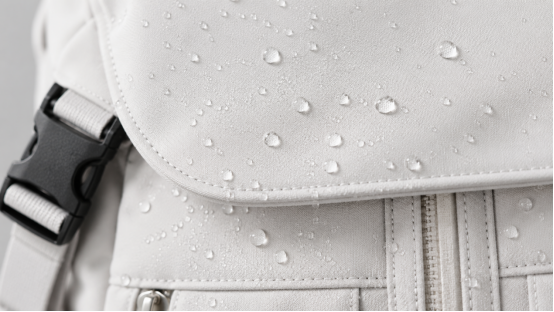
In recent years, the trend toward lighter, cleaner, and more minimalist carry solutions has been reshaping the urban commuting and travel market. From North America to Europe, an increasing number of brands have introduced light-colored collections in shades such as off-white, light gray, Cloud Dancer, and Glacier Gray.
Compared with traditional black backpacks, lighter-colored bags create a cleaner, more modern aesthetic and pair naturally with today's popular smart-casual and minimalist lifestyles.
Yet one question remains common among potential buyers:
Are white backpacks really difficult to keep clean?
If you've been debating whether a light-colored backpack is worth the investment, this article will provide an objective analysis of modern fabric technology, hydrophobic coatings, stain resistance, real-world limitations, and a comparison of several popular commuter backpacks.
Why Are Light-Colored Backpacks Becoming More Popular in 2026?
For over a decade, black and dark gray dominated the commuter backpack market for a simple reason: they were practical, versatile, and forgiving.
However, as hybrid work, remote collaboration, and lifestyle-oriented fashion continue to grow, consumers increasingly want their backpack to be more than just a storage solution for tech gear. They want it to complement their personal style.
Compared to traditional black backpacks, light-colored bags offer several distinct advantages:
Excellent for Spring and Summer Styling
They break away from dark, heavy aesthetics and pair effortlessly with lighter outfits and seasonal wardrobes.
A Lighter Visual Presence
In crowded cities and warm-weather environments, lighter tones create a cleaner, more breathable appearance.
A Modern Tech-Inspired Look
Many flagship consumer technology products—from Apple to DJI—now embrace low-saturation whites, grays, and neutral tones. Light-colored backpacks naturally complement this modern design language.
As a result, light-colored backpacks are becoming increasingly popular among young professionals, designers, digital creators, and modern commuters.
Do White Backpacks Really Get Dirty Easily?
 Here's the honest answer:
Yes, they can get dirty—but modern fabric technology makes them far less delicate than most people imagine.
Many consumers still associate white bags with traditional cotton canvas products from a decade ago, where a single coffee spill could leave a permanent stain.
Today's premium commuter and travel backpacks, however, use entirely different materials and technologies.
The key factor determining stain resistance is not the color itself, but rather the fabric construction and protective surface treatments.
Most high-quality light-colored backpacks incorporate technologies such as:
· Durable Water Repellent (DWR) coatings
· Nano-scale hydrophobic treatments
· TPU-coated anti-stain fabrics
· High-density abrasion-resistant nylon
· Recycled polyester performance textiles
Together, these technologies can effectively repel most everyday stains and spills.
The Science Behind Stain Resistance: Understanding the"Lotus Effect"
Many premium backpacks utilize biomimetic technology inspired by the natural "Lotus Effect."
The surface of the fabric contains microscopic hydrophobic structures that reduce liquid adhesion.
When water-based liquids contact the surface, they do not immediately penetrate the fibers. Instead, they form rounded droplets that roll off the fabric due to surface tension.
According to laboratory testing, high-performance fabrics can achieve spray ratings exceeding 90 points under the AATCC 22 standard.
This means excellent protection against common water-based contaminants such as:
· Rainwater
· Coffee
· Tea
· Soft drinks
· Mud splashes
In many situations, simply blotting the liquid with a paper towel is enough to prevent staining.
Don't Believe the Marketing Hype: Every Fabric Has Physical Limits
One thing many brands don't mention during dramatic "coffee splash" demonstrations is that no fabric is completely stain-proof.
Even advanced water-repellent materials have limitations.
1. Long-Term Friction and Dye Transfer
This is the most common and difficult issue for light-colored backpacks.
Dark raw denim, especially untreated jeans, can transfer dye through repeated friction.
Areas such as the backpack base or lower back contact points may gradually absorb indigo dye, causing blue or gray discoloration that can be difficult to remove.
2. Oil-Based and Chemical Stains
Hydrophobic coatings excel at repelling water-based liquids but are less effective against oils.
Examples include:
· Cooking oil
· Grease
· Ink
· Permanent markers
· Machine lubricants
Once these substances penetrate the fibers, cleaning becomes significantly more challenging.
3. Natural Aging of Protective Coatings
All DWR treatments have a lifespan.
Over time, exposure to:
· Sunlight
· Rain
· Abrasion
· Daily wear
gradually degrades the microscopic protective structure.
After approximately 2–3 years of regular use, some reduction in stain and water resistance is normal.
2026 Comparison: Three Popular Light-Colored Commuter Backpacks
1. Bellroy Classic Backpack (Light Color Series)
Best For
Designers, creative professionals, and minimalist style enthusiasts.
Pros
Bellroy has long excelled at sophisticated aesthetics. Their light-colored fabrics combined with eco-friendly leather accents create a refined urban appearance.
The backpack is lightweight and visually elegant.
Cons
Typically priced around $150 USD.
The laptop compartment padding is relatively thin, and the fabric prioritizes a soft, natural texture over maximum stain resistance and waterproofing.
2. Peak Design Everyday Backpack (Light Gray Version)

Best For
Professional photographers, content creators, and tech enthusiasts.
Pros
One of the most protective backpacks available.
Its highly durable fabric, configurable dividers, and dual-side access system provide outstanding gear protection.
Cons
Expensive, often exceeding $250 USD.
The empty bag weighs nearly 2 kg, and the structured harness system can feel overly rigid for everyday commuting.
For users who aren't carrying professional equipment, it may be more backpack than necessary.
3. Nayo Smart Urban U5 Backpack

Best For
Hybrid workers, digital nomads, urban commuters, and frequent short-trip travelers.
Pros
The Urban U5 strikes a practical balance between modern aesthetics and everyday functionality.
Its minimalist light-colored exterior pairs naturally with today's smart-casual wardrobe trends, while the water-resistant fabric helps reduce concerns about daily spills and light rain exposure.
The backpack features:
· Dedicated laptop compartment
· Organized storage pockets
· Lightweight urban design
· Comfortable carrying system
making it well-suited for commuting, café work sessions, and weekend city travel.
Compared with many premium competitors, it also offers strong value for money.
Cons
While highly versatile, the Urban U5 prioritizes portability and everyday convenience over specialized gear protection.
Users carrying professional camera equipment or large amounts of heavy tech gear may prefer more heavily structured alternatives.
Light-Colored vs. Black Backpacks: Which Should You Choose?
|
Category |
Black / Dark Gray Backpack |
Light-Colored Backpack |
|
Stain Resistance |
★★★★★ |
★★★★☆ |
|
Spring & Summer Styling |
★★★☆☆ |
★★★★★ |
|
Modern Tech Aesthetic |
★★★★☆ |
★★★★★ |
|
Best Use Cases |
Business travel, photography, winter commuting, heavy-duty use |
Urban commuting, café work, weekend travel |
|
Maintenance Requirements |
Low |
Moderate |
Black remains the ultimate low-maintenance choice.
Light colors, meanwhile, provide a refreshing alternative for users seeking a cleaner, more contemporary style.
FAQ: Caring for Light-Colored Tech Backpacks
Can I machine wash a white backpack?
No.
Machine washing can damage DWR coatings and potentially deform padded laptop compartments.
What should I do if coffee or soda spills on the backpack?
Blot the liquid immediately using a dry paper towel or absorbent cloth.
Avoid aggressively rubbing the stain, as this can force liquid deeper into the fibers.
Can dye transfer from jeans be removed?
The sooner you address it, the better.
Use warm water with a small amount of mild soap and gently clean the affected area using a soft brush.
Avoid bleach, which may cause permanent discoloration.
How should I dry the backpack after cleaning?
Allow it to air dry naturally in a shaded, well-ventilated area.
Avoid prolonged direct sunlight, as UV exposure can accelerate yellowing and material degradation.
Final Verdict: Are Light-Colored Backpacks Worth Buying in 2026?
If your priority is a backpack that can be tossed around without a second thought and requires virtually no maintenance, black remains the safest choice.
However, if you're tired of the endless sea of black and gray bags and want something lighter, more modern, and better suited to today's smart-casual lifestyle, advances in stain-resistant fabric technology have made light-colored backpacks far more practical than ever before.
For most urban professionals, content creators, and travelers moving between offices, cafés, airports, and train stations, light-colored backpacks are no longer just beautiful but fragile accessories.
They have become a genuine combination of style, functionality, and everyday usability—making them a compelling choice for modern life in 2026.
シェア: